Reworking Our Signature:
The Updated Double-Knee Work Pants

Reworking Our Signature: The Double-Knee Work Pants

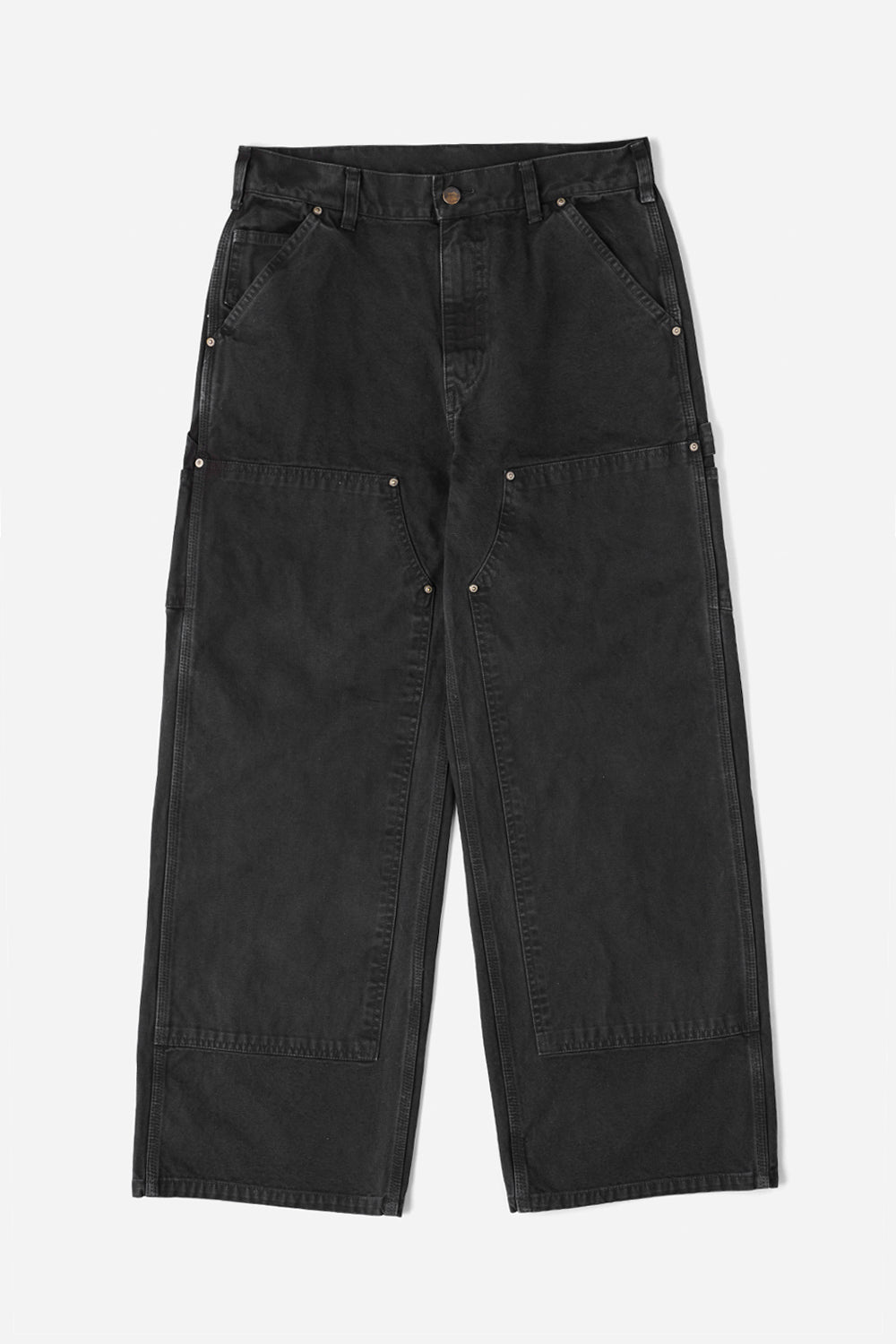
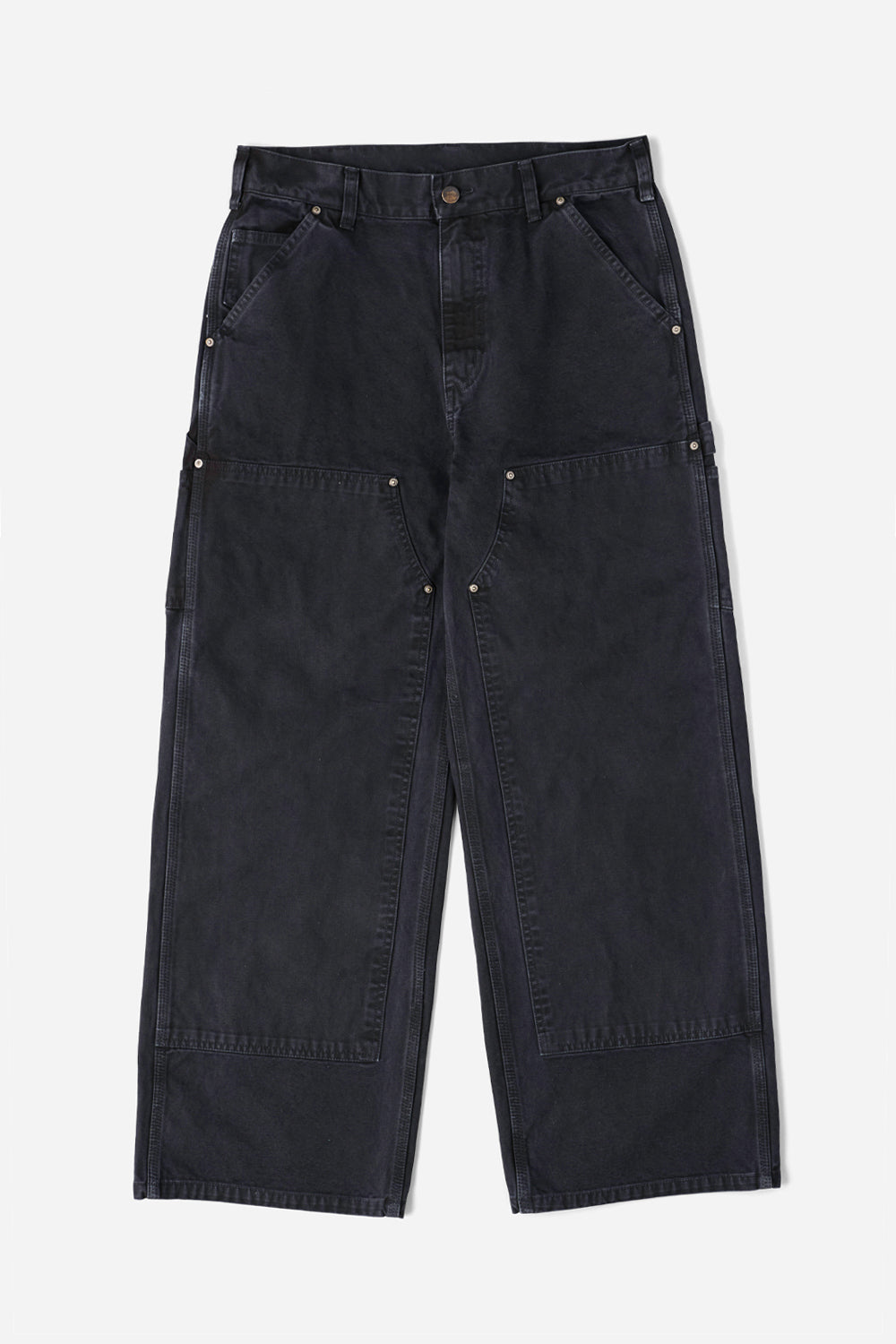
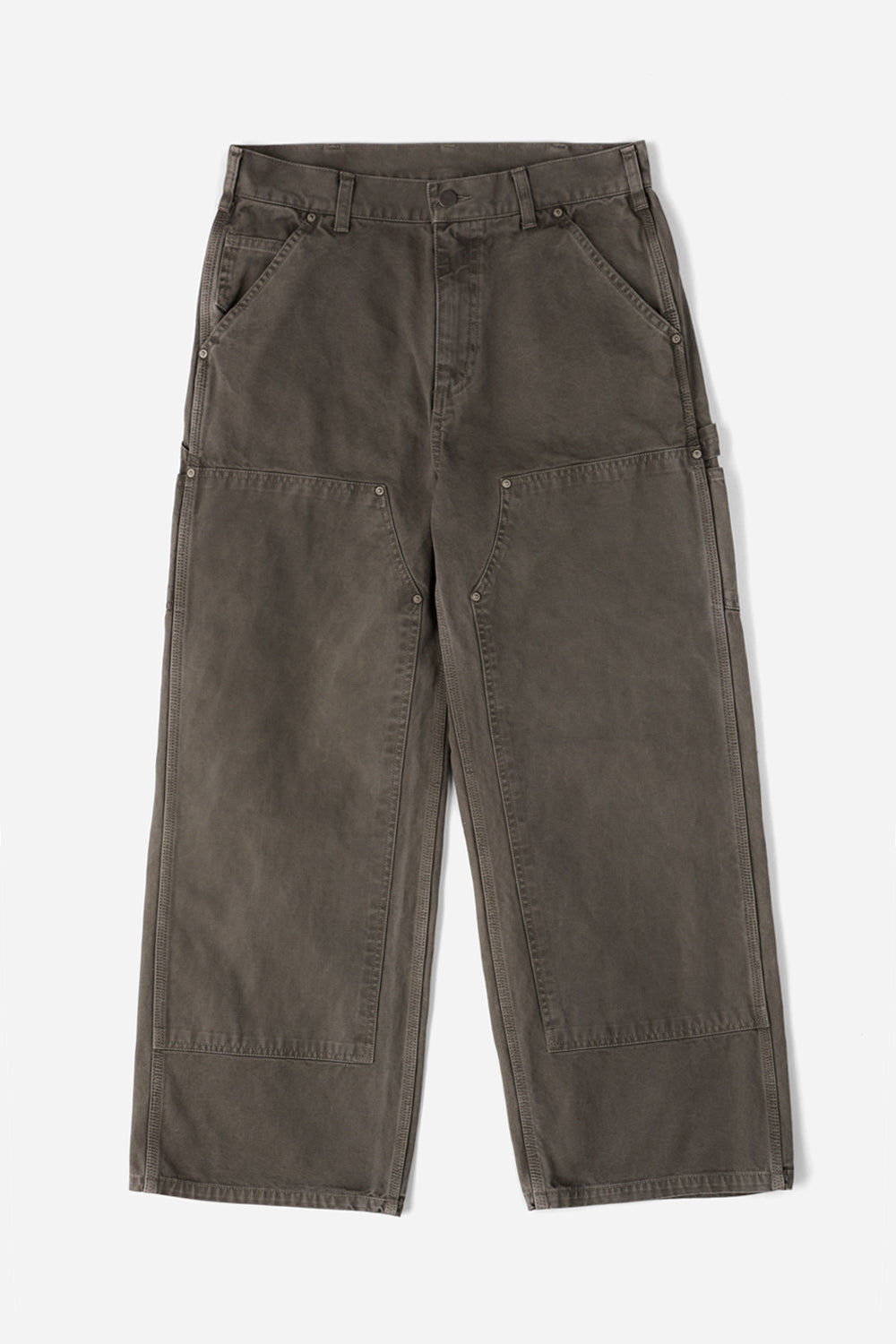
We have updated the double knee work pants that we have been selling until now.

Based on pants that are symbolic of American workwear, the sizes and patterns are adjusted to fit their own body types and lifestyles. The details, colors, and textures are tested repeatedly, and the pants are subjected to tedious dyeing and complex processing.

This time, in order to make it a simpler everyday garment, the side seams, which were previously raw, have been modified to a full-fledged rolled seam, which is also seen in general workwear.
Additionally, by reviewing the waist position and hip fit, we have created a beautiful silhouette that is wide but not too loose.
It also features a natural drape created by the sturdy 12oz fabric.
Additionally, a new XS size will be added to the lineup, which has not been available until now, making it suitable for slimmer people and women.

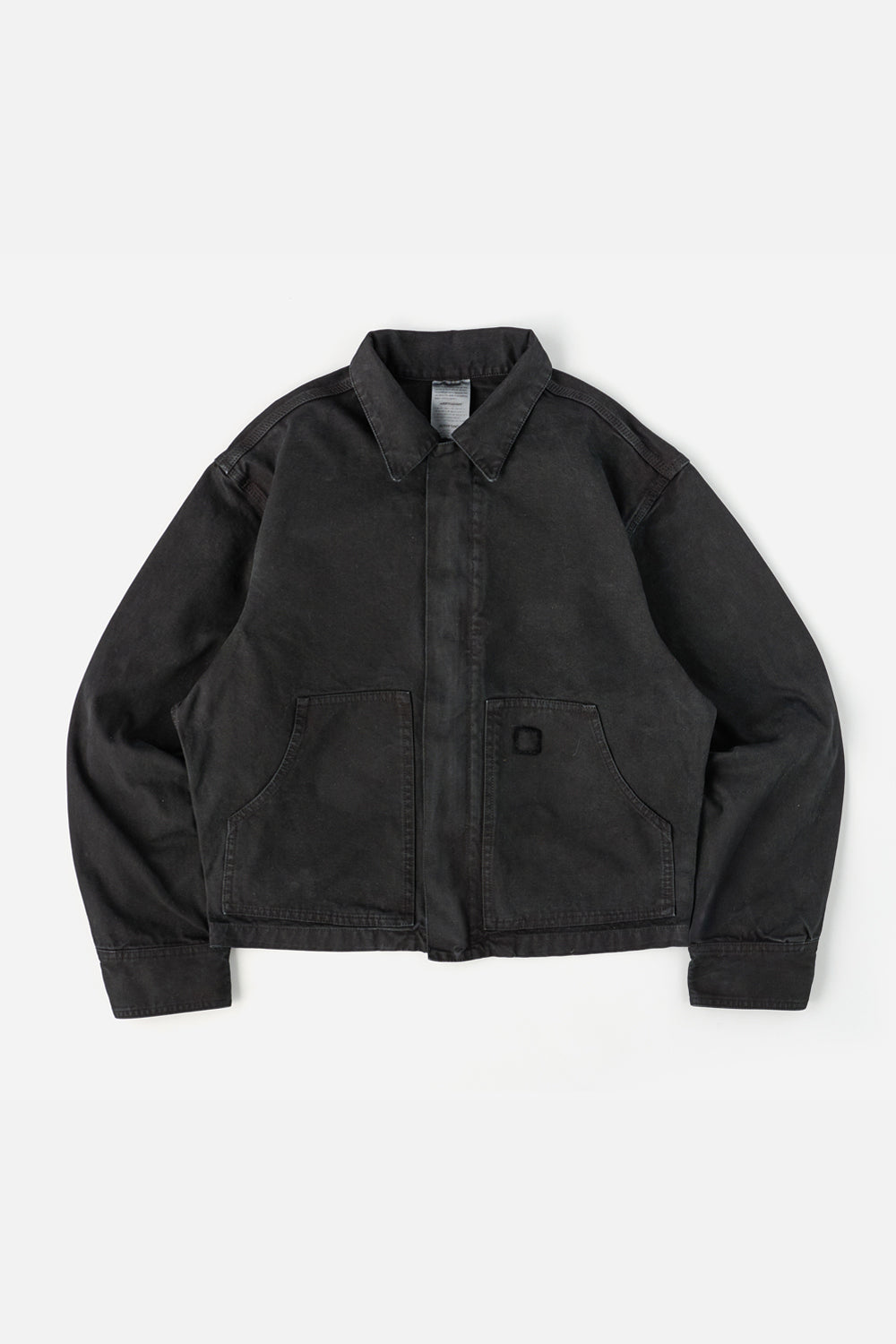
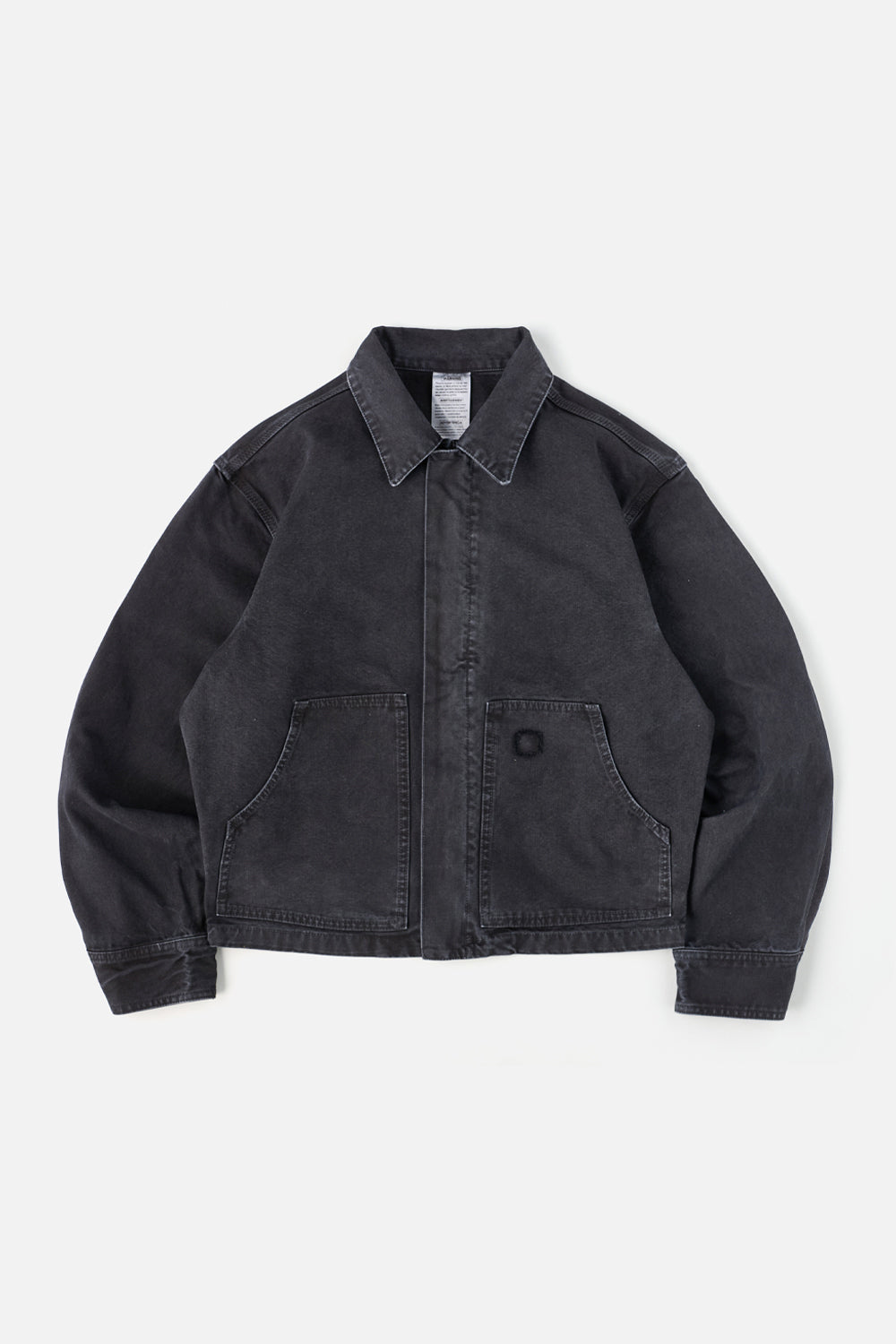
12oz Cotton Duck Fabric Double knee Pants & Traditional Jacket

Jacket: ¥34,000 (+tax)

Size: Medium

Color: D-Gray, Black

Pants: ¥27,000 (+tax)

Size: X-Small / Small / Medium / Large

Color: D-Gray, Black, G-Brown

Based on one of the most iconic pants in American workwear, we have adjusted the sizing and pattern to better suit our own body types and lifestyles. We repeatedly tested the construction details, fabric colors, and textures, applying labor-intensive dyeing and multiple layers of processing.

The fabric is a high-density cotton duck, even denser than those used by the original workwear brands.


How Workwear Shaped Fashion

How workwear became fashion

In its early days, workwear clearly reflected class and occupation. The terms blue collar and white collar come from the distinction between the colors worn by laborers and office workers. When workwear was first created, it had little to do with fashion, but from the 1970s onwards, workwear gradually began to be associated with fashion.

(Translated by NYC Times)

In the late 1980s, crack dealers and graffiti writers who spent a lot of time outdoors discovered Carhartt. "They needed to be warm and carry a lot of stuff," says Mr. Lapierre, a Carhartt salesman in NYC. "Kids saw them on the street and it became cool."

In 1990, hip-hop label Tommy Boy Records decided to use the jacket, which was already hot on the streets, as a promotional tool and embroidered its logo on it.

The company prepared 800 jackets for the promotion and distributed them to "trend-makers" and "those who frequent high-profile venues," says Tommy Boy's president. "It quickly became a huge hit," and Tommy Boy launched its own clothing line.

Prince Paul (1991) - Carhartt WIP x Tommy Boy Staff jacket designed by Stussy

Homeboys at Elysian Park-Los Angeles 1984

Meanwhile, on the West Coast of the United States, from the late 1970s to the 1980s, Black and Latino (including Chicano) communities began to adopt Dickies as everyday wear. They cleanly pressed Dickies work pants, which were used as workwear, and paired them with oversized work shirts and pure white T-shirts, establishing their own unique "clean and relaxed" street style.

It is said that young Chicanos treated Dickies work pants, which could be purchased for around $12, as if they were a luxury brand, and paired them with white T-shirts and shiny black shoes to create an outfit that was ``ultimately chic.''

In this way, Dickies, which were originally workwear for the working class, were reinterpreted in fashion as a symbol of regional identity and pride, and by the 1980s they had fully transitioned into a staple of streetwear, spreading to various cultures such as gangsta rap and skating.

The culture that adopted workwear, which had originally had no connection to fashion, in a unique way was full of clear intentions and ingenuity.

For example, Chicanos preferred Dickies, made of stiff, starched fabric, as an alternative to Zoot suits. They were inexpensive, did not require pressing, and were easy to create a full silhouette. It is also said that Carhartt's lined coveralls were suitable for drug dealers in the frigid streets of New York, thanks to their warmth and ample pockets.

This idea of ​​"creatively incorporating non-fashion elements into style" was born from its original context and daily life, but the more it is imitated, the more its meaning is diluted, and there is something sad about the way it is being incorporated into luxury fashion and the like.

Regarding this phenomenon, Vogue magazine pointed out that when the wealthy dress in the clothing of the "have-nots," there is still a divide between the "haves" and the "havenots." Some people on social media said, "We shouldn't fetishize working-class aesthetics." Some critics have harshly criticized celebrities dressing in workwear-inspired fashion from luxury brands, saying it just looks like a "costume."

The rise of workwear can be seen in the distortions inherent in capitalist society, class consciousness, and the irony that we are unknowingly caught up in it.

However, the appeal of workwear lies beyond the complicated logic mentioned above, in that it is simply rational, tough, and cool. So, try wearing it without thinking too much about it and have fun.

Products List

Product List

12oz Canvas Duck Traditional Jacket / Black

Sold out

12oz Canvas Duck Traditional Jacket / D-Gray

Sold out

FI-Distressed Double Knee Pants (VerⅡ) /Black

Sold out

FI-Distressed Double Knee Pants (VerⅡ) / D-Gray

Sold out

FI-Distressed Double Knee Pants (VerⅡ) / G-Brown

Sold out